In the competitive landscape of EdTech, products often start with a bold mission to disrupt traditional learning. However, as they scale, many fall into the trap of optimizing for immediate business metrics at the expense of the core user experience. My recent analysis of Jumpspeak reveals several critical signals that every product leader should consider.
Business-Driven vs. Learning-Driven Onboarding
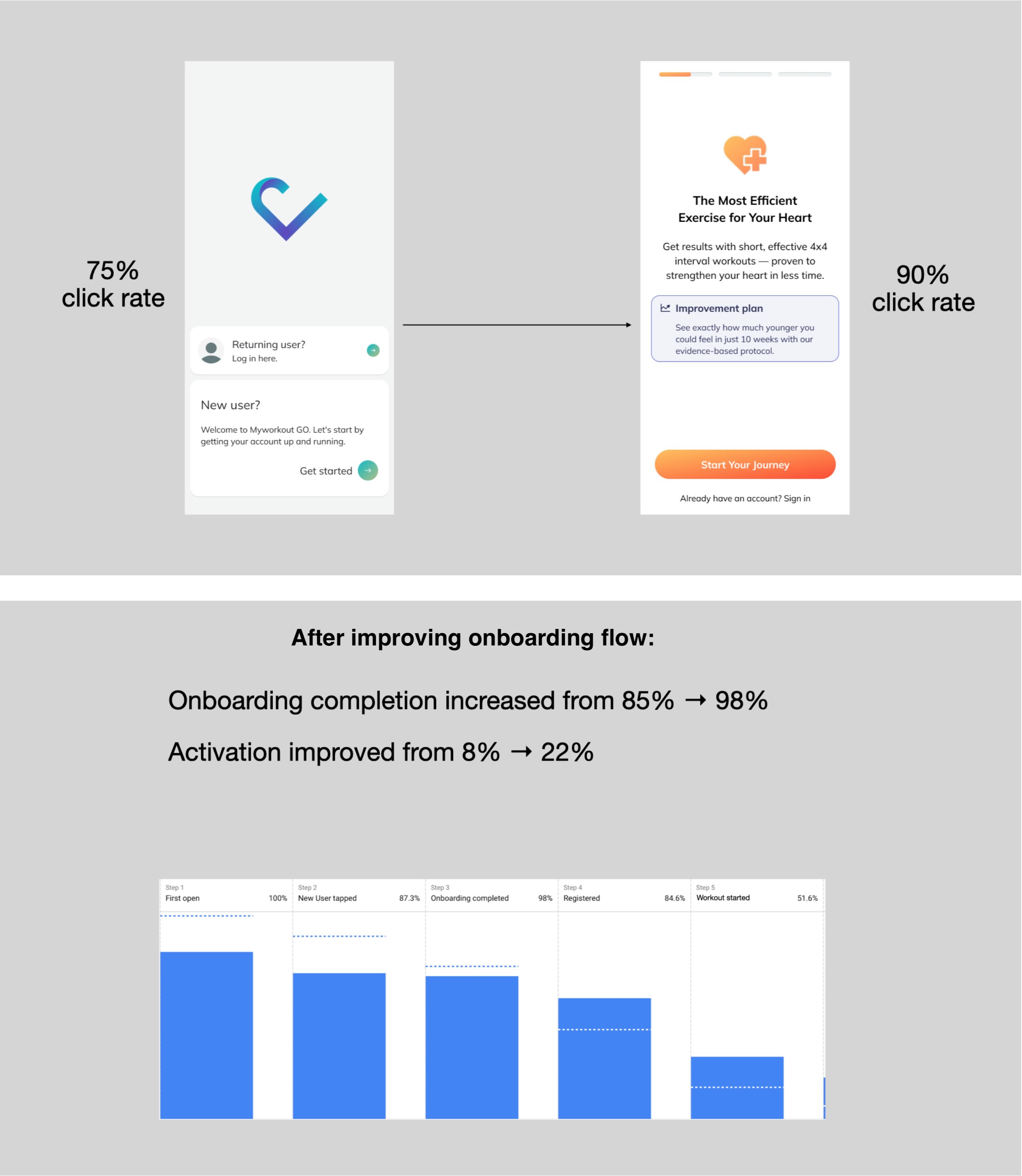
The onboarding flow in Jumpspeak is notably long. Rather than framing user expectations or pre-qualifying them psychologically, the current structure suggests a primary goal of filtering low-intent users and preparing them for a paywall. While this may maximize short-term ARPU, it weakens the "learning-first" narrative and increases Time to First Value (TTFV).
The Danger of Misleading Metrics
During onboarding, the product displays retention charts to users. While visually appealing, retention is a business metric, not a learning outcome. Using these signals to build trust can be misleading and may feel transactional rather than educational.
Broken Promises and Cognitive Dissonance
One of the most significant risks identified is the inconsistency between marketing and product experience. Jumpspeak's marketing explicitly states that flashcards don't work and that the product is built around conversation. Yet, the first lesson experience still relies on remembering image-and-text cards. This friction creates immediate cognitive dissonance for the new user.
The Perils of Competing with a Market Leader
Jumpspeak's UI and interaction patterns are strikingly similar to Duolingo. When a challenger product mimics a category-defining leader but lacks the same level of polish and stability, it unintentionally invites a negative comparison. Instead of competing on difference, the product risks being perceived as a "temporary experiment" or simply a less-refined version of the market standard.
Conclusion
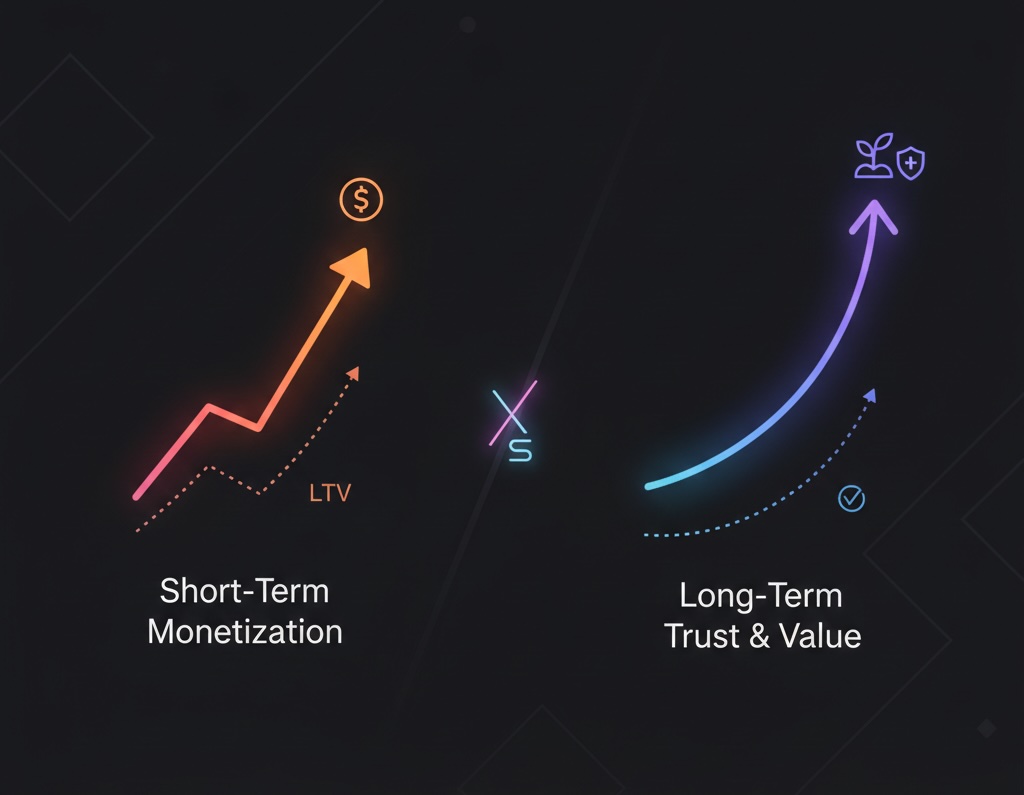
The true potential of Jumpspeak lies in its situational dialogue and interactive learning. If the unique value proposition is treated as a minor feature, the product drifts toward a "losing trajectory". To build a market-leading brand, product decisions must shift focus from immediate ROI toward building a trust-based growth model.
Written by X91 Tech, Growth Studio for Digital Products.