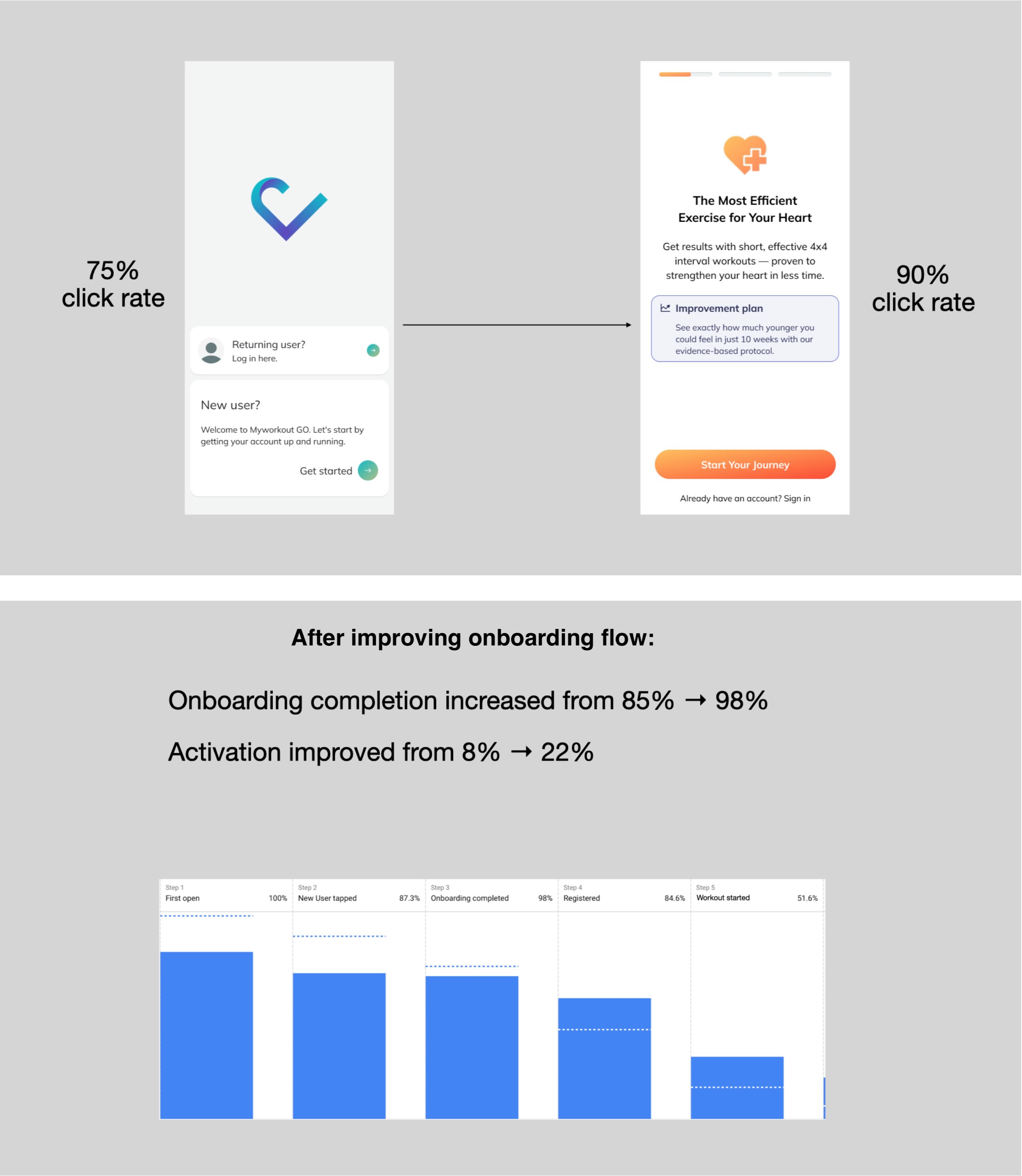
One of the biggest problems in product development is that companies often optimize for metrics they don’t actually trust.
Or even worse – metrics they never properly validated.
A dashboard appears.
Funnels look clean.
Charts move in the “right” direction.
And gradually everyone inside the company starts treating those numbers as reality.
The problem is:
Most analytics systems slowly drift away from reality over time.
Not because somebody intentionally breaks them.
But because product development constantly changes:
• new onboarding flows
• new platforms
• experiments
• edge cases
• retries
• backend changes
• feature flags
• partial implementations
• rushed releases
And unless someone actively owns analytics consistency, the system degrades little by little.
What makes this dangerous is that the degradation is usually invisible.
The dashboard still works.
Numbers still exist.
The company still makes decisions.
I’ve seen situations where:
• leadership discussed a “major drop” for weeks
• teams prepared solutions
• roadmap priorities shifted
And later it turned out the underlying analytics logic itself was flawed.
The most dangerous part?
Once a metric enters company narrative, it becomes surprisingly difficult to challenge.
Because changing the metric often means questioning previous decisions too.
That’s why analytics reliability is not just a technical detail.
It directly affects product strategy, prioritization, and company focus.
The further decision-makers are from implementation details, the more dashboards start looking like objective truth.
#productmanagement #analytics #growth #productanalytics #softwareengineering #mobiledevelopment #abtesting #leadership #startup #firebase
Originally published on LinkedIn by X91 Tech.