Most founders understand that their product needs to evolve.
Few realize that they must evolve too.
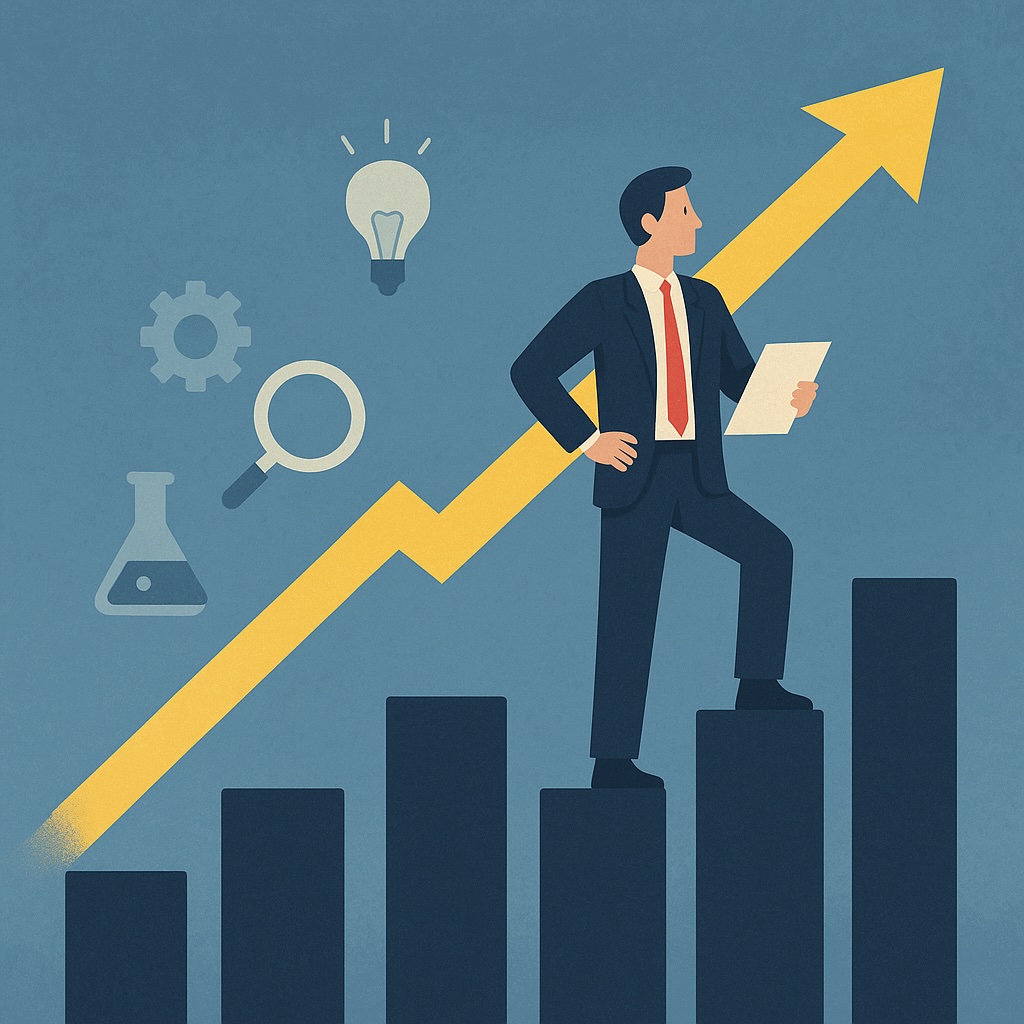
Every product moves through several stages – from vague idea to scalable business. At each step, the type of decisions you make, the risks you take, and the mindset you apply must change.
You can’t use early-stage intuition in a scaling company.
And you can’t apply enterprise-level process when you don’t even have fit yet.
Both will will slow down progress or even reverse it.
Let’s look at what happens at each stage and what kind of CEO your product needs.
The Four Key Stages of Product Growth
Think of product growth as a journey with four main stages:- Discovery: you’re searching for a real problem worth solving.
- Validation: you’re testing whether your solution truly fits the market.
- Scaling: you’ve found product–market fit and are expanding what works.
- Stable Business: the product becomes a company, and each major feature begins to evolve as a mini-product of its own.
Founders who keep the same habits and thinking style across all stages often stall their company’s progress – not because their product is bad, but because they lead it with the wrong mindset.
Let’s explore each phase in detail.
Discovery Stage
Learn Fast, Build Slow
 Product state: Just an idea.
Goal: Understand the problem and the audience before writing code.
Mindset: Explorer. Curious, open, and driven by questions, not assumptions.
This is where most founders go wrong. They rush to build something, thinking an MVP means progress. But early development often turns into wasted effort if you don’t know whether people actually want it.
Your role here is to learn fast and build slow.
Talk to potential users, understand how they currently solve the problem, and identify the gaps.
Study competitors – not to copy them, but to learn what the market already rewards.
Run quick tests: landing pages, surveys, email signups.
At this stage, metrics don’t matter. What matters is how quickly you can validate or reject ideas.
Common mistake: Falling in love with your idea.
Fix: Fall in love with your users’ problems.
Your product’s first version should be a question, not a statement.
Validation Stage
Launch to Learn
 Product state: MVP is live.
Goal: Find product–market fit.
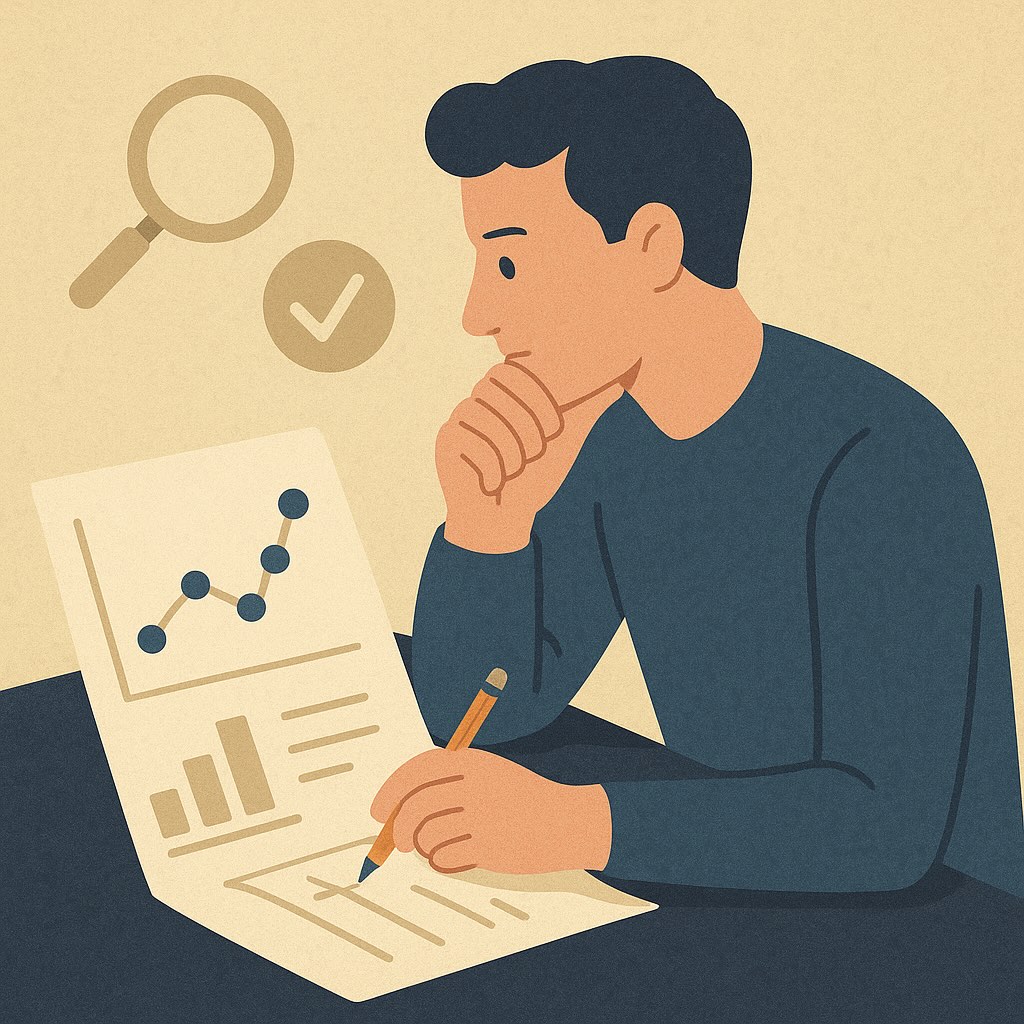
Mindset: Scientist. Bold, analytical, not afraid to experiment.
Now you have something real. People are signing up, trying it, and leaving feedback.
Don’t let vanity metrics fool you — acquisition can look great while retention quietly dies.
Your job is to discover
This is where you start running structured experiments: tweak onboarding, test paywalls, explore pricing, measure activation and retention.
You’ll need courage here. Every decision may break something temporarily, but standing still is worse. If you’re afraid to change, you’ll stay stuck on a small local maximum while competitors overtake you.
Common mistake: Playing it safe.
Fix: Treat every failure as data.
If you’re afraid to break your product, you’ll never fix what’s actually broken.
Scaling Stage
From Fit to Predictable Growth
 Product state: Product–market fit confirmed, stable retention.
Goal: Expand what works and scale operations predictably.
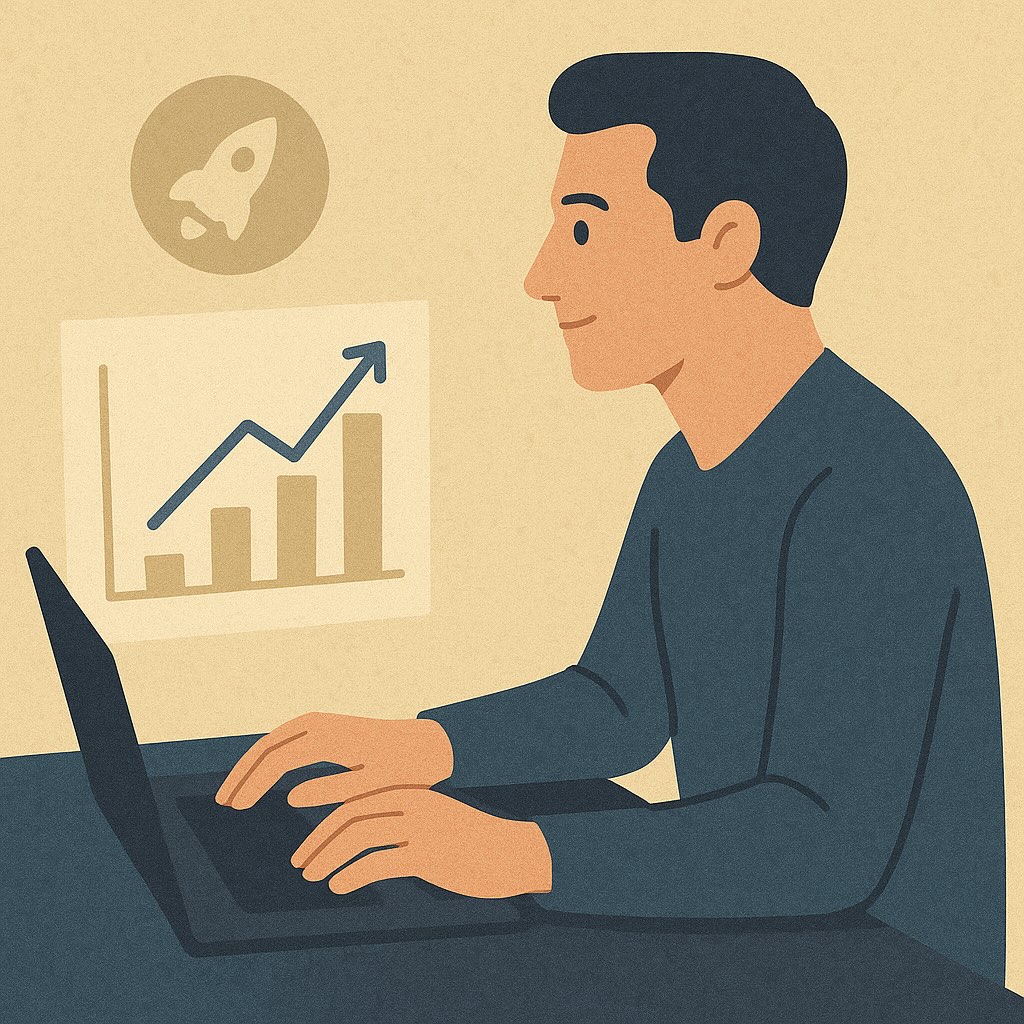
Mindset: Operator. Disciplined, systematic, and focused on measurable improvements.
This is where chaos turns into structure.
You’ve found what works — now it’s about doing it repeatedly and efficiently.
Set clear growth metrics. Build feedback loops between product, marketing, and analytics.
Run A/B tests, but with intent. Every test should have a hypothesis and a clear metric.
Prioritize ruthlessly, because not every idea deserves your time.
Your job now is optimization, not invention. Every percentage point matters.
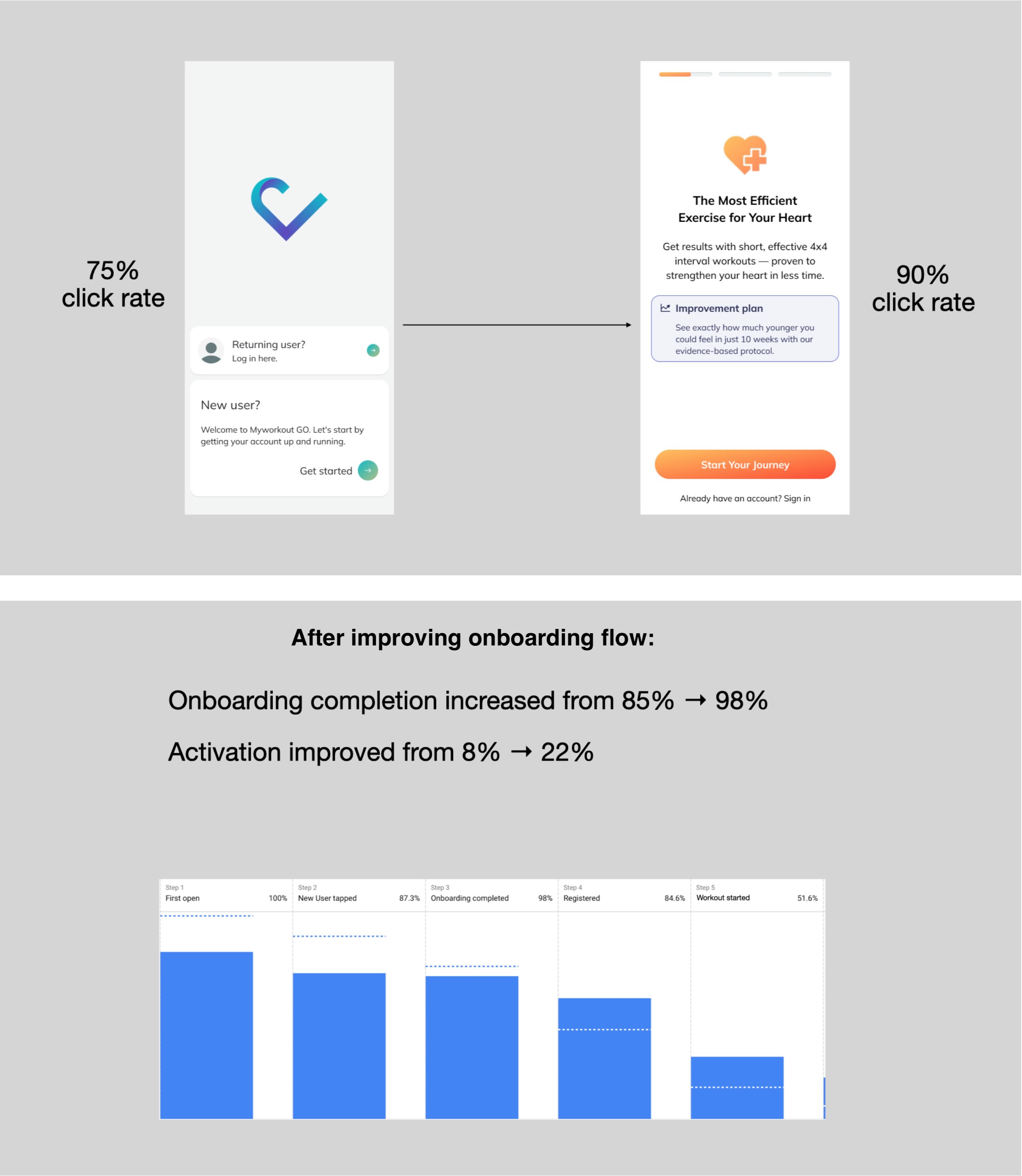
Improving onboarding completion by 3% may grow your revenue more than launching three new features.
At this point, random redesigns or feature experiments can do real harm.
Changes need to be deliberate and data-backed.
Common mistake: Changing too much, too often.
Fix: Focus on consistent, compounding improvements.
Scaling isn’t about doing more. It’s about doing what works — better and faster.
Stable Business
When Growth Becomes Structure
Once the company stabilizes, growth doesn't stop – it becomes fractal. It starts happening inside the product.You start building systems and teams that can make good decisions without you.
That’s the “Architect” stage — where you transform from an operator into a leader of systems.
Each major part of your product begins to behave like its own mini-startup.
Your marketplace, community, stories, messaging, or internal tools all start demanding separate focus, metrics, and ownership.
They evolve independently, sometimes even competing for user attention — yet collectively expanding the product’s reach.
This is where true ecosystem thinking begins.
You’re no longer optimizing a single experience — you’re architecting a network of interconnected products that reinforce each other.
The challenge shifts from “how do we grow this product?” to “how do we let multiple engines of growth coexist without breaking the core?”
At this stage, you stop managing features.
You start orchestrating products within your product.
The Founder’s Evolution
Your mindset must evolve with your product.Many startups fail not because the market changes, but because the founder doesn’t.
When your product is young, it needs your creativity and speed.
As it matures, it needs your focus and structure.
If you can’t switch gears, your company will stay stuck in the previous stage.
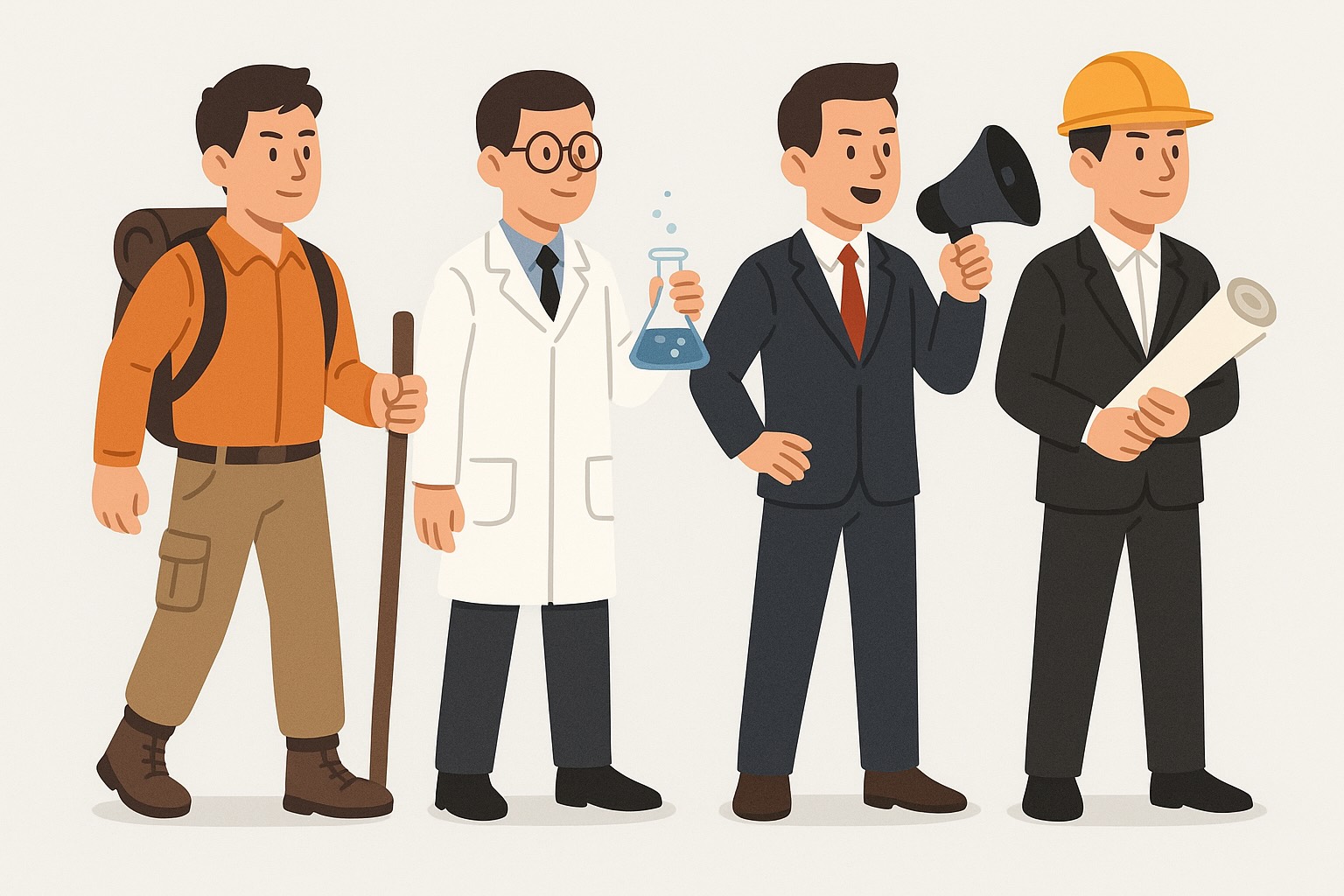
| Stage | Product Goal | CEO Role | Key Traits | Main Risk |
|---|---|---|---|---|
| Discovery | Learn fast | Explorer | Curious, open-minded | Building too early |
| Validation | Find fit | Scientist | Bold, analytical | Playing too safe |
| Scaling | Expand what works | Operator | Disciplined, data-driven | Random decisions |
| "Stable" | Sustain growth | Architect | Strategic, structured | Losing agility |
A startup doesn’t just grow up — its founder must grow with it.
Knowing When to Switch
The hardest skill for any founder is knowing when to change roles.Early on, you need chaos. Later, you need process.
Early on, you need intuition. Later, you need evidence.
And in the middle, you need both. That’s where real leadership shows up.
Signs you might be stuck in the wrong mindset:
- Still chasing features when you should improve metrics.
- Still validating ideas when you should be scaling.
- Still acting bold when you should act precise.
From Chaos to Measurable Growth
At X91 Tech, we often meet teams stuck between stages.They’ve built something good but can’t find fit.
Or they’ve reached fit but broke retention while trying to scale.
Almost always, the problem isn’t the product — it’s how the founder thinks about growth.
Understanding your product’s growth stage is like having a map.
It shows which decisions make sense now, and which ones can destroy progress.
Your role as a CEO is to know what your product needs today—and to be ready to think differently tomorrow.
Because growth doesn’t come from adding features.
It comes from clarity, timing, and the courage to evolve.
Written by X91 Tech, Growth Studio for Digital Products.